DEVELOPMENT, NOT LESSONS
One athlete. One plan. Every piece connected.
SBA isn’t built around collecting lessons or putting every player through the same program.
We assess where an athlete is now, identify what matters most, build the plan around those priorities, coach it, and continually adjust as the athlete develops.
Throwing. Strength. Movement. Skill. Recovery. Workload.
They aren’t separate pieces here.
THE SBA DEVELOPMENT PROCESS
We don’t train every weakness. We identify what matters most now.
01
ASSESS
Understand the athlete’s current physical, movement and baseball profile.
02
PRIORITIZE
Determine which limitations or opportunities matter most right now.
03
PROGRAM
Build development around the athlete — not around a generic calendar.
04
COACH
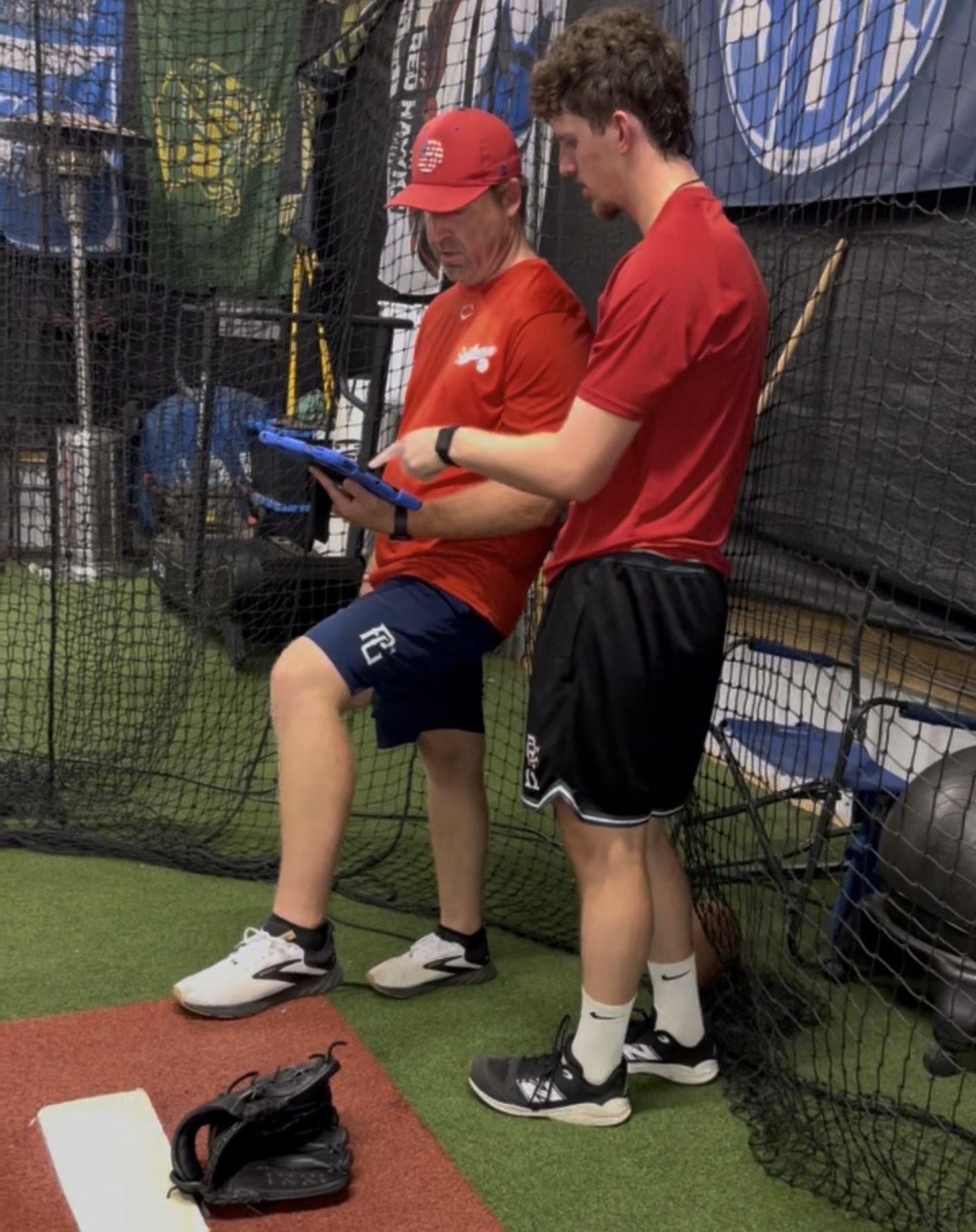
Use feedback, intent and real coaching to turn the plan into development.
05
REASSESS
Measure what changed and determine what comes next.
Data informs the plan. Coaching interprets the data.
DEVELOPMENT IS A LONG GAME
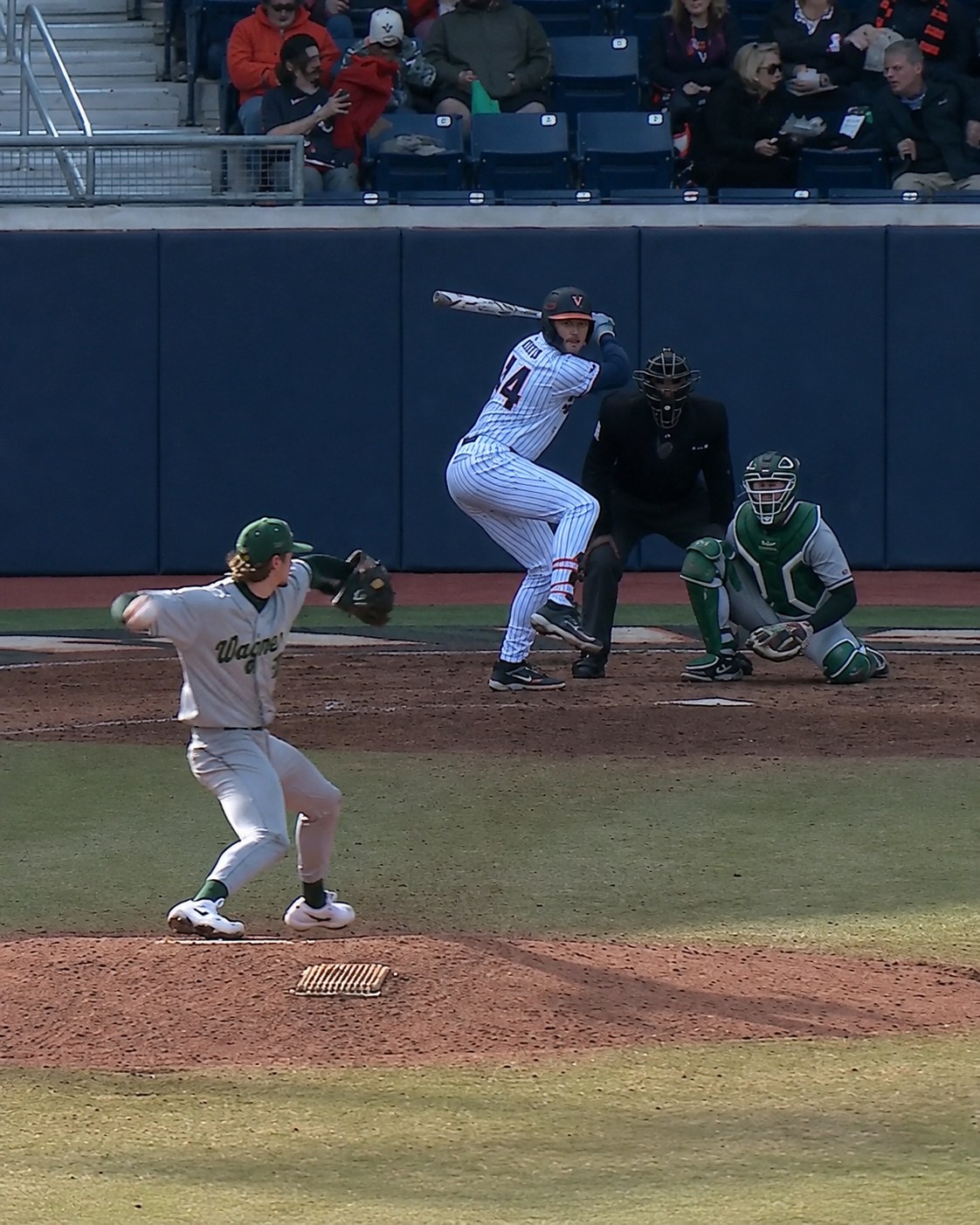
Quinn Finnegan
MID 70s → 80 → 92 MPH
Quinn began training at SBA in eighth grade. Early development centered on getting stronger, moving better and learning how to train like an athlete.
As his body and velocity developed, the priorities changed with him — from general physical development, into mechanics, pitch development and increasingly specific work.
He continued developing throughout high school, pitched as a freshman at Wagner College, and now enters his sophomore season at Queens University having reached 92 mph.
THE SBA STANDARD
Quinn became the standard because he kept showing up. Even while playing another sport, training wasn’t something he did only when baseball season approached. He came in and worked.
PHYSICAL DEVELOPMENT THAT TRANSFERS
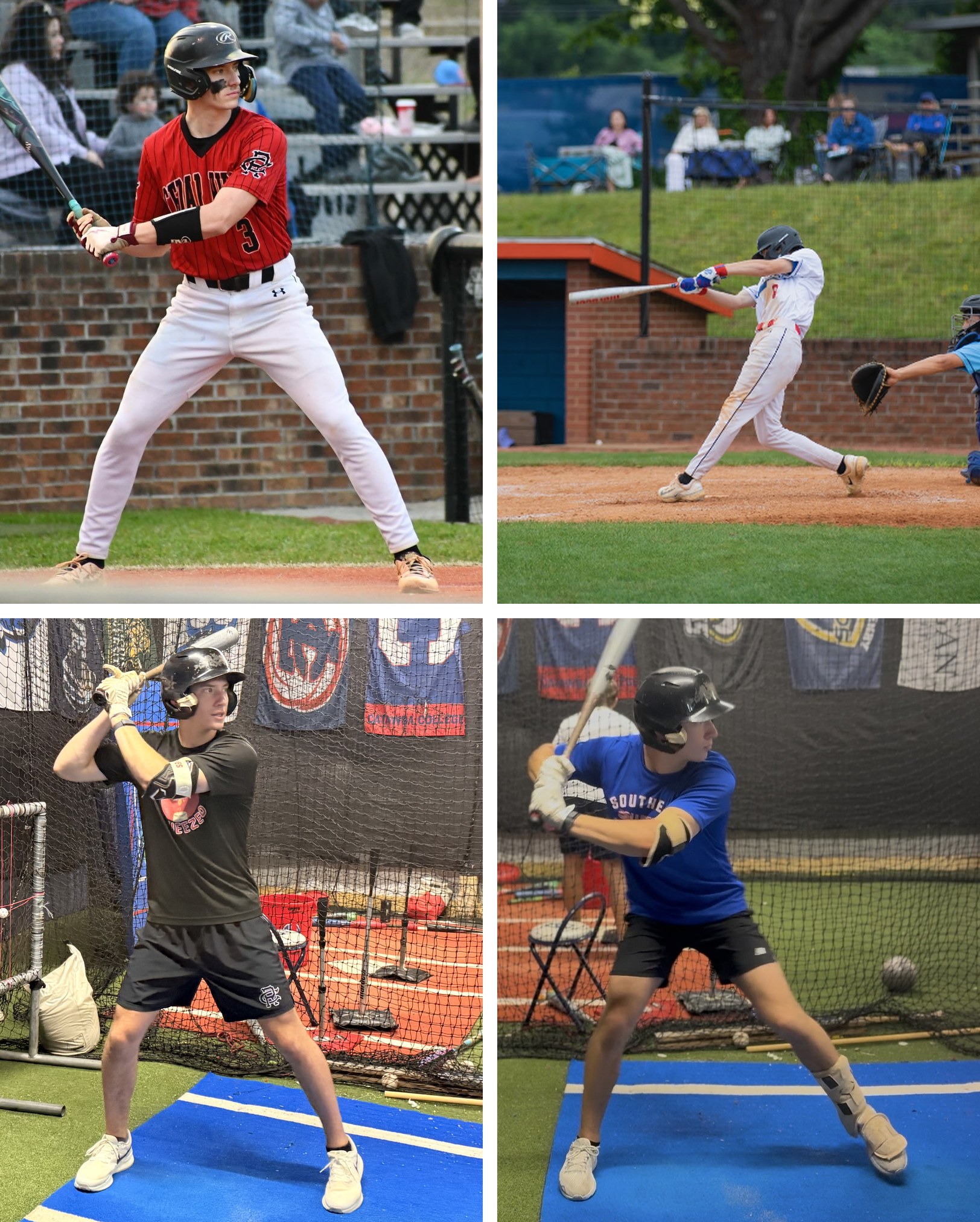
Grant + Ian McGuffey
Across their development
105 LB → 170 LB
Physical Development
71 MPH → 88 MPH / 90+ FROM THE FIELD
Throwing Development
66 AVG EV → UPPER-80s AVG / 107 PEAK
Offensive Power
Grant and Ian started with SBA as rising freshmen and became daily guys throughout high school — often training twice a day when their schedules allowed.
Their development started with building the body. As they got stronger and more athletic, that physical growth began showing up in arm strength, throwing velocity and offensive power. Four years later, they entered college at William Peace University.
Freshman year → current
FROM 85 TO D1
REMOTE DEVELOPMENT, SAME PROCESS
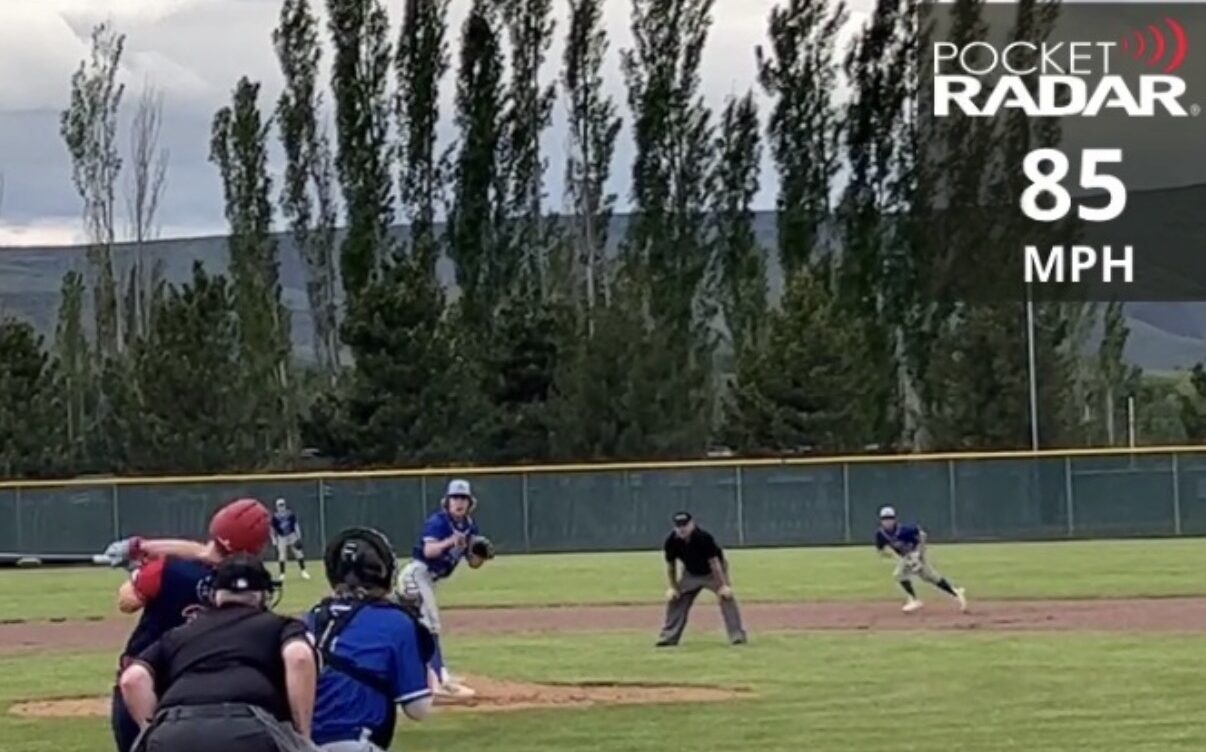
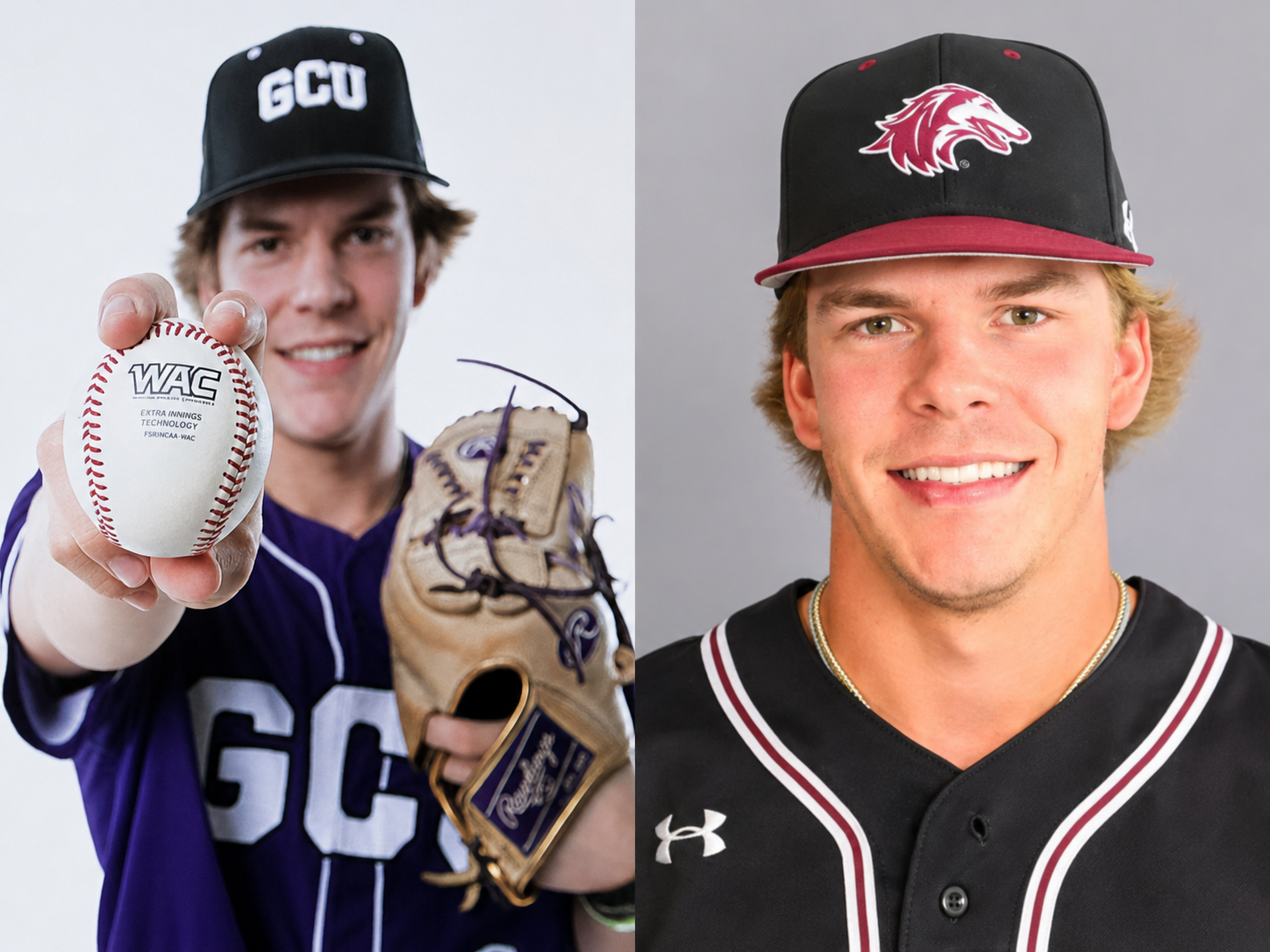
Alec “Ammo” Ammerman
MID-80s → 90 IN HIGH SCHOOL → 93 MPH
Alec started working remotely with SBA as a high school pitcher in Washington. The early focus was cleaning up his arm action, then improving hip-shoulder separation and timing as his development progressed.
He reached 90 mph in high school, helped his team win a state championship, and continued his career at Grand Canyon before moving on to Southern Illinois. He has since reached 93 mph.
Development From Across The Country
The distance changed how the coaching was delivered — not how individualized the development needed to be.
WHAT ATHLETES + FAMILIES SAY
The People Matter As Much As The Plan.
Development works best when the athlete, family and coach are all connected to the process.
“From the beginning, it was clear that Robert cared about Quinn as more than just a baseball player. He has always been honest with us about what Quinn needed, communicated with us throughout the process, and treated his development as a long-term journey. That trust is a big reason SBA has remained such an important part of Quinn’s development.”
MARIA FINNEGAN
MOTHER OF QUINN FINNEGAN
“As a coach and a parent I needed the best in the business. Rob was exactly what we needed. He changed the trajectory of my son’s career, and I send all my team players to see him. He’s a big reason we have been to the State Title game 2 years running!”
SHAWN RYAN
HEAD COACH, VOYAGER ACADEMY • PARENT
“What made it different was the personal relationship we built. We sat down, communicated, and worked through things together, which helped me trust his plan. In two years, Hege has helped me become a completely different player than I was when we started.”
LOGAN CHATMAN
C/O 2027 • BELMONT ABBEY COMMIT
WHERE SBA ATHLETES HAVE GONE
Development That Continues Beyond SBA.
SBA athletes have continued their baseball careers at programs across multiple levels of college baseball.























SBA ENVIRONMENT
Built For Serious Development. Built To Feel Like Home.
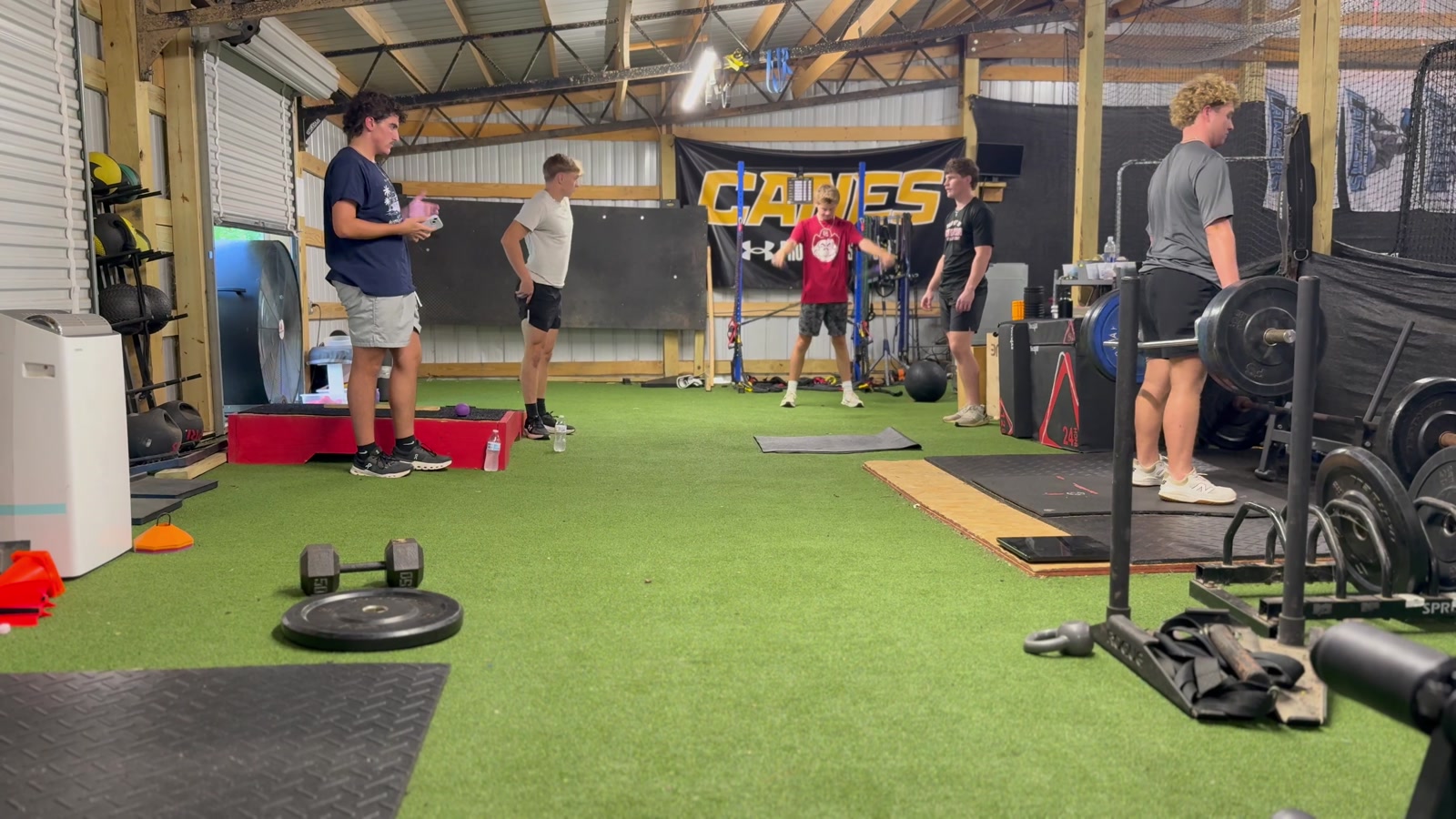
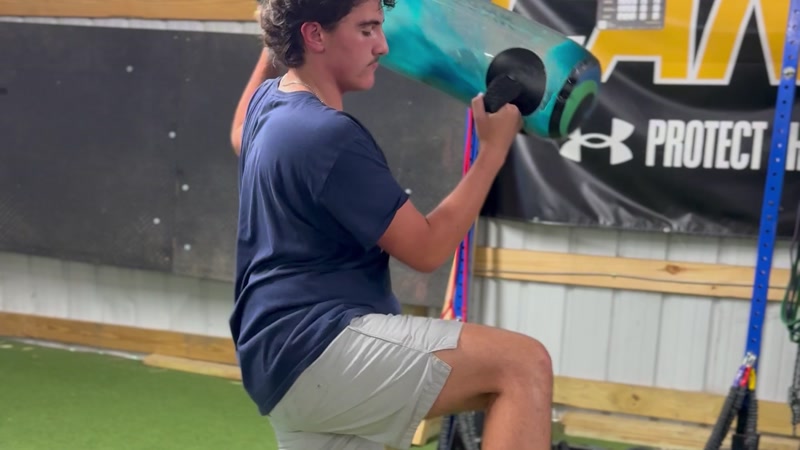
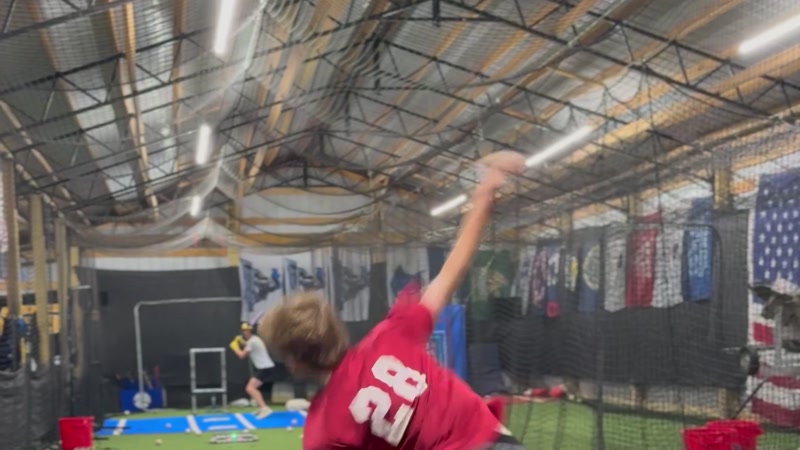
SBA is built around serious work, individual attention and an environment where athletes can keep developing over time.
CANES CENTRAL
Development That Extends Into Competition
Canes Central gives SBA athletes an opportunity to compete within the Canes Baseball organization while continuing to develop inside the same training environment. SBA development remains open to athletes from every program and team.